Vocal Health for Singers: Tools, Habits & Healing
Your voice is not just sound; it’s muscle, tissue, breath, emotion, and artistry. Whether you’re singing eight shows a week, rehearsing for a recital, or warming up for a gig, vocal health is the foundation of everything you do. Without it, even the most beautiful technique can break down.
In this guide, we’ll walk through how your voice works, how to care for it daily, and how tools like steamers, nebulizers, throat pastilles, and salt gargles can support recovery and longevity.
Your Voice Is Your Instrument
Singers don’t get to swap out their instrument when it’s damaged; we are the instrument. Vocal folds are delicate layers of tissue that vibrate thousands of times per second. When they’re hydrated, rested, and supported by good breath, they move freely. When they’re inflamed, dry, or overworked, the voice becomes strained, unstable, and unreliable.
Vocal health isn’t about perfection — it’s about sustainability.
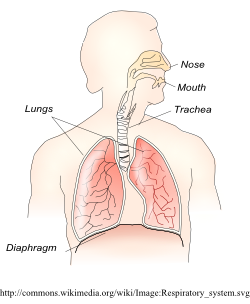
How the Voice Works (In Simple Terms)
Your sound begins with breath — the first region of the voice, known as the Power Source. Air travels from your lungs through the vocal folds — the second region, the Sound Source — where it vibrates to create tone. That tone is then shaped by your throat, mouth, and sinuses — the third region of the voice, the Resonator — into the sound people hear.
The surface of the vocal folds is covered by a thin mucosal layer that must stay moist and flexible for healthy vibration. When this layer becomes dry or irritated, the folds can’t close efficiently, and the voice starts to feel scratchy, fatigued, or hoarse.
Consistent hydration, adequate rest, and gentle, balanced use keep this system functioning at its best.
Daily Vocal Care Basics
Think of vocal health like brushing your teeth — it’s maintenance, not just emergency repair.
Hydration
Drink water consistently throughout the day. Aim for steady intake rather than chugging before singing.
Sleep
Your body heals when you sleep. Chronic fatigue shows up in your voice fast.
Nutrition
Anti-inflammatory foods (fruits, vegetables, healthy fats) support tissue recovery. Avoid heavy, acidic, or dairy-heavy meals right before singing.
Avoid Vocal Abuse
Yelling, whispering, constant throat clearing, and talking over noise all stress the folds.
Warm-Ups & Cool-Downs
A singer should never go from silence straight into belting.
Warm-ups should:
Start gently
Include breath coordination
Wake up resonance and flexibility
Cool-downs:
Reset tension
Calm the voice after heavy use
Help prevent next-day stiffness
Just like athletes stretch before and after training, singers need vocal prep and recovery.
Steam Inhalation & the Mabis Steamer
Steam is one of the most direct ways to hydrate your vocal folds externally.
Unlike drinking water (which hydrates your body overall), steam moisturizes the vocal tract directly.
What steam does:
Soothes dry tissue
Helps reduce irritation
Loosens thick mucus
Promotes easier vibration
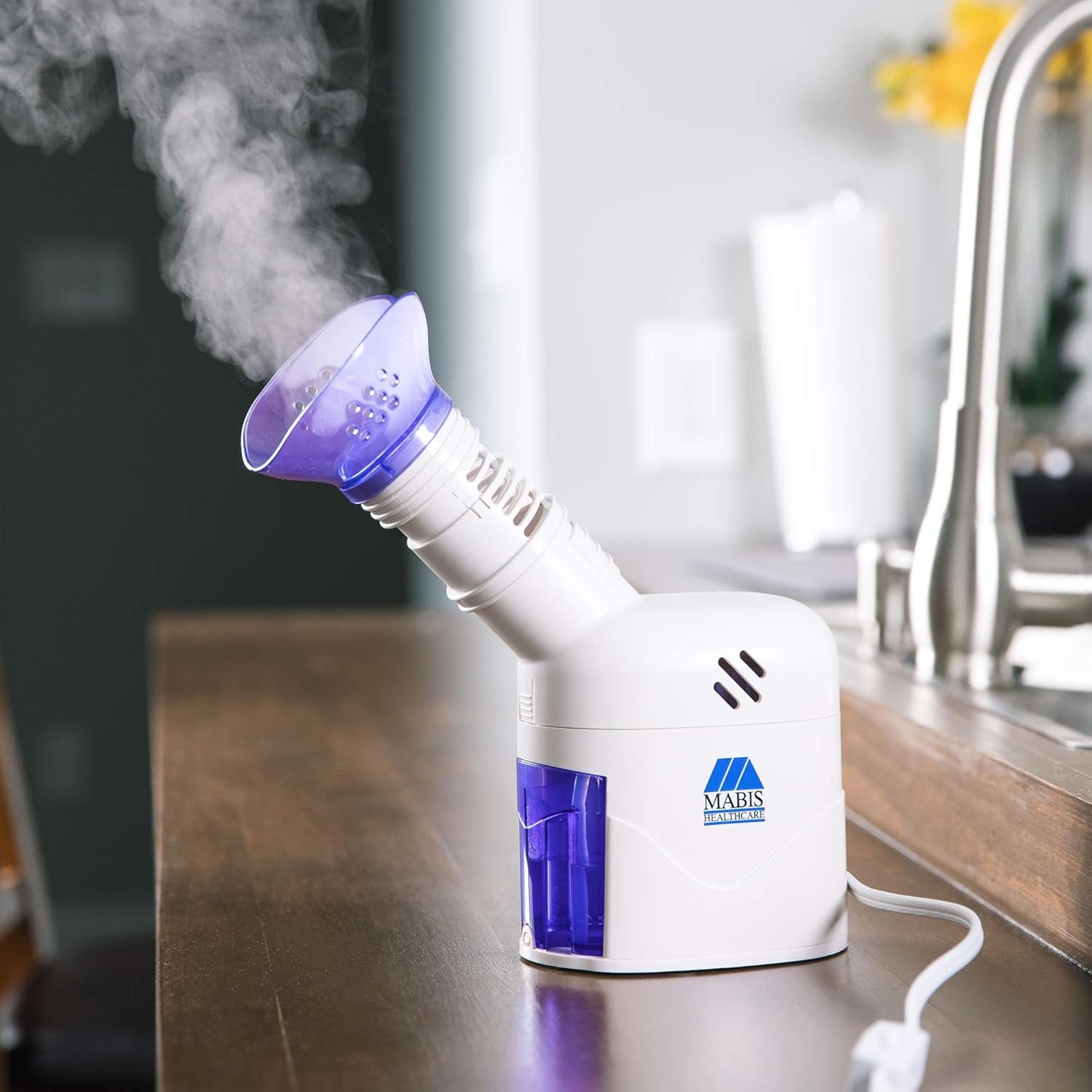
Mabis Steamer
The Mabis Steamer is a personal vocal steamer used by many singers.
How to use it:
Use clean, distilled water
Sit comfortably
Breathe the steam through your mouth and nose
15 minutes is plenty
Twice a day (in the morning & evening)
Wait 30 minutes after steaming to sing/speak
When to use it:
Before rehearsals
During illness
After heavy singing days
Steam = hydration + relaxation.
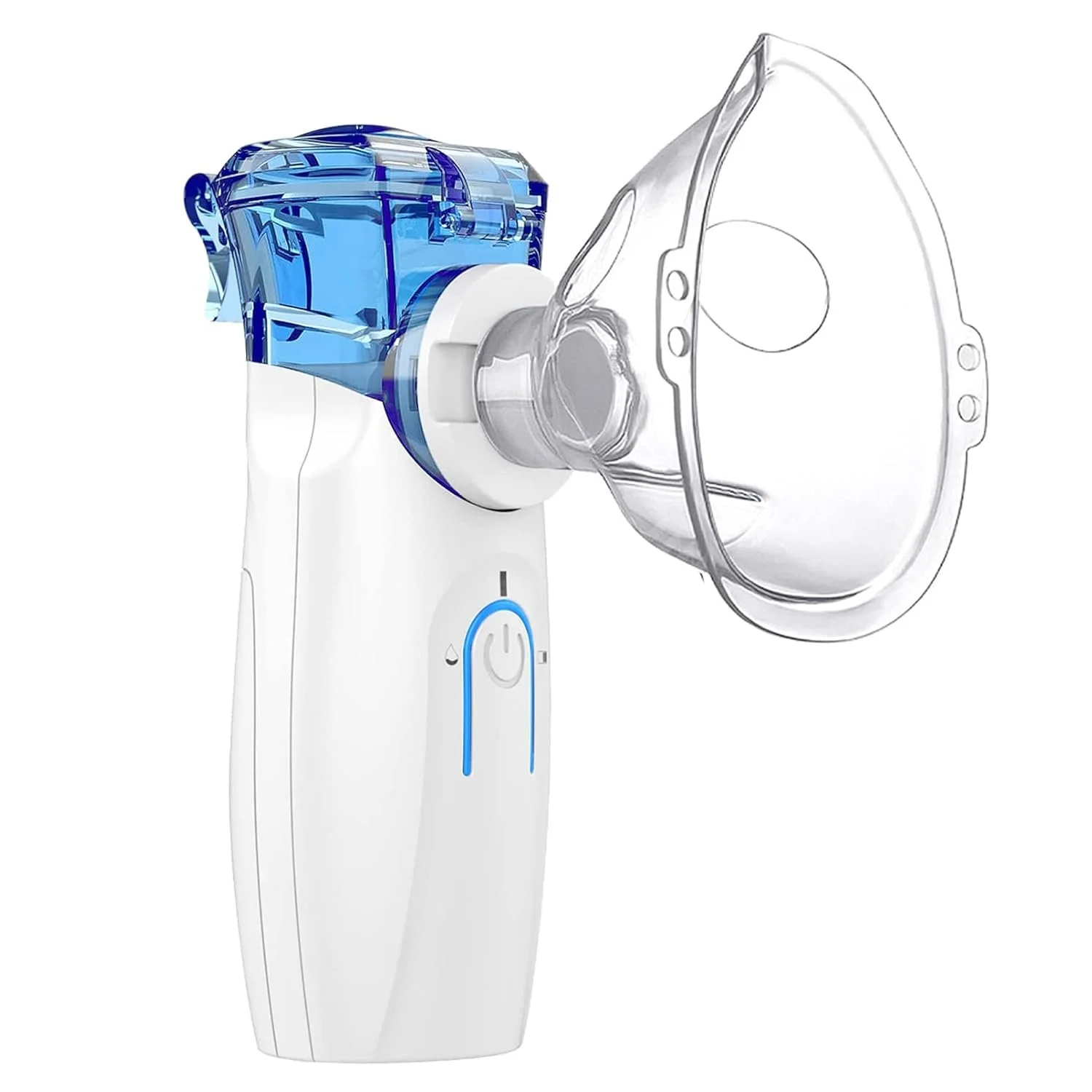
Nebulizers for Vocal Health
A nebulizer delivers a fine mist of saline into your airway.
While often used medically, many singers use saline-only nebulizers to hydrate and soothe their vocal folds.
Benefits:
Moisturizes deeper airway tissue
Helps reduce inflammation
Supports recovery after illness or overuse
Important:
Use only sterile saline unless directed by a doctor. This is not a medication device unless prescribed.
Think of a nebulizer as targeted hydration therapy for your instrument.

Throat Comfort Tools: Vocal Zone & Grether’s Pastilles
Not all cough drops are singer-friendly.
Many contain menthol, which numbs the throat. That can make you feel better — but it can also mask damage and lead to over-singing.
Use drops for comfort, not as a substitute for rest and hydration.
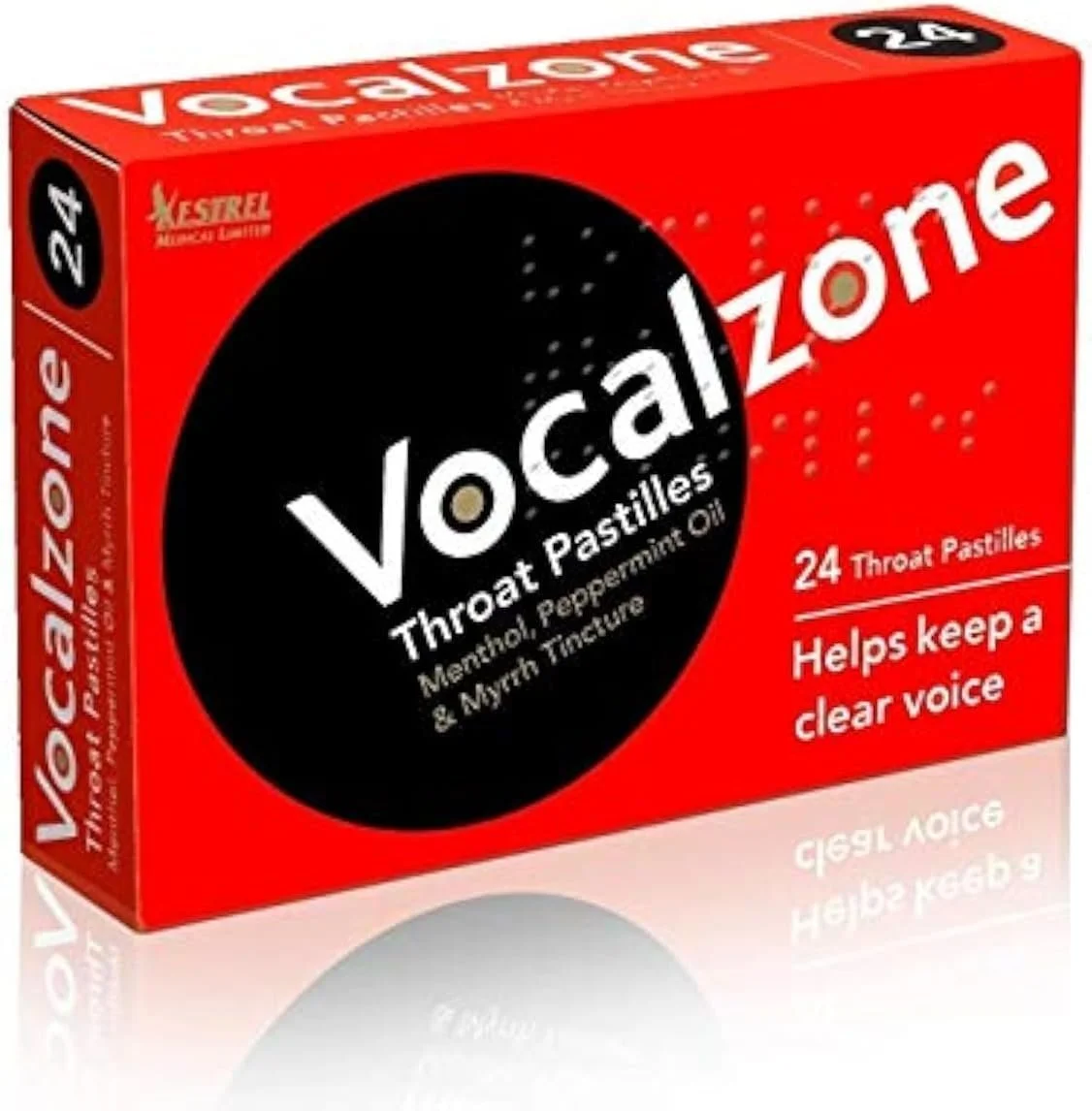
Vocal Zone
•Herbal-based
•Soothes irritation
•Great for dry environments or travel days
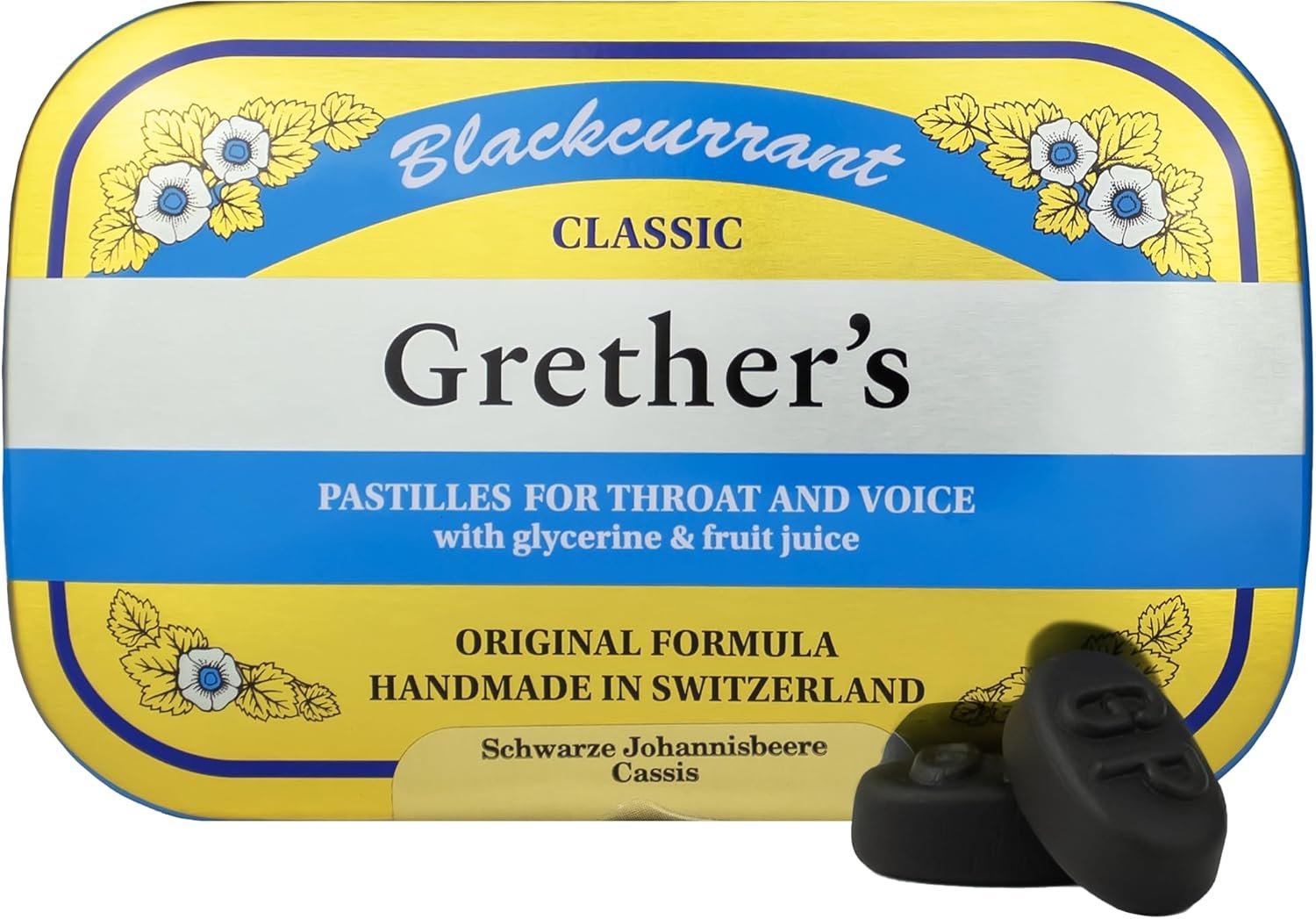
Grether’s Pastilles
•Glycerin base
•Coats and moisturizes
•Long-lasting comfort
Salt Gargles for Vocal Recovery
Old-school? Yes. Effective? Also yes.
Salt gargles reduce bacteria and inflammation in the throat.
How to do it:
Mix ½ tsp salt with warm water
Gargle gently for 20–30 seconds
Spit and repeat 2–3 times
When to use:
Sore throat
Post-show irritation
Early illness symptoms
Singing When You’re Sick
Sometimes rest is the most professional thing you can do.
Signs you should not sing:
Sharp pain
Loss of range
Persistent hoarseness
Feeling like you have to push sound out
When in doubt: scale back.
Vocal rest shouldn’t be stressful; take it easy on yourself.
Lifestyle Habits That Protect the Voice
Your voice lives in your whole body.
Manage stress
Release jaw/neck tension
Maintain posture
Use humidifiers in dry spaces
Avoid smoke and heavy dust
Healthy singers are balanced singers.
Vocal Health Myths
“Whispering is safer than talking.” → False. Whispering strains the folds.
“Hot tea fixes everything.” → Comfort ≠ cure.
“If it hurts, you’re working hard.” → Pain is a warning, not a badge of honor.
A Simple Vocal Health Routine
Daily:
Hydrate
Warm up gently
Cool down after singing
Performance Days:
Steam
Avoid heavy foods
Rest between uses
When You’re Sick:
Nebulize with saline
Salt gargle
Reduce singing
Your voice is meant to last a lifetime, but only if you treat it with care. Vocal health isn’t about being scared you’ll hurt your voice; it’s about knowing how to take care of yourself so you don’t. When your instrument feels good and is healthily maintained, you sing with confidence consistently.
Referance Books
The Singer's Guide to Complete Health

Keep Your Singing Voice Healthy!: The Doctor's Guide to Vocal Vitality and Longevity

Anatomy of the Voice: An Illustrated Guide for Singers, Vocal Coaches, and Speech Therapists